Gaza potter builds clay dome home for his parents as cement and steel run short
Fetched. Here’s a publication-ready rewrite:
By [Staff Writer] | October 19, 2026
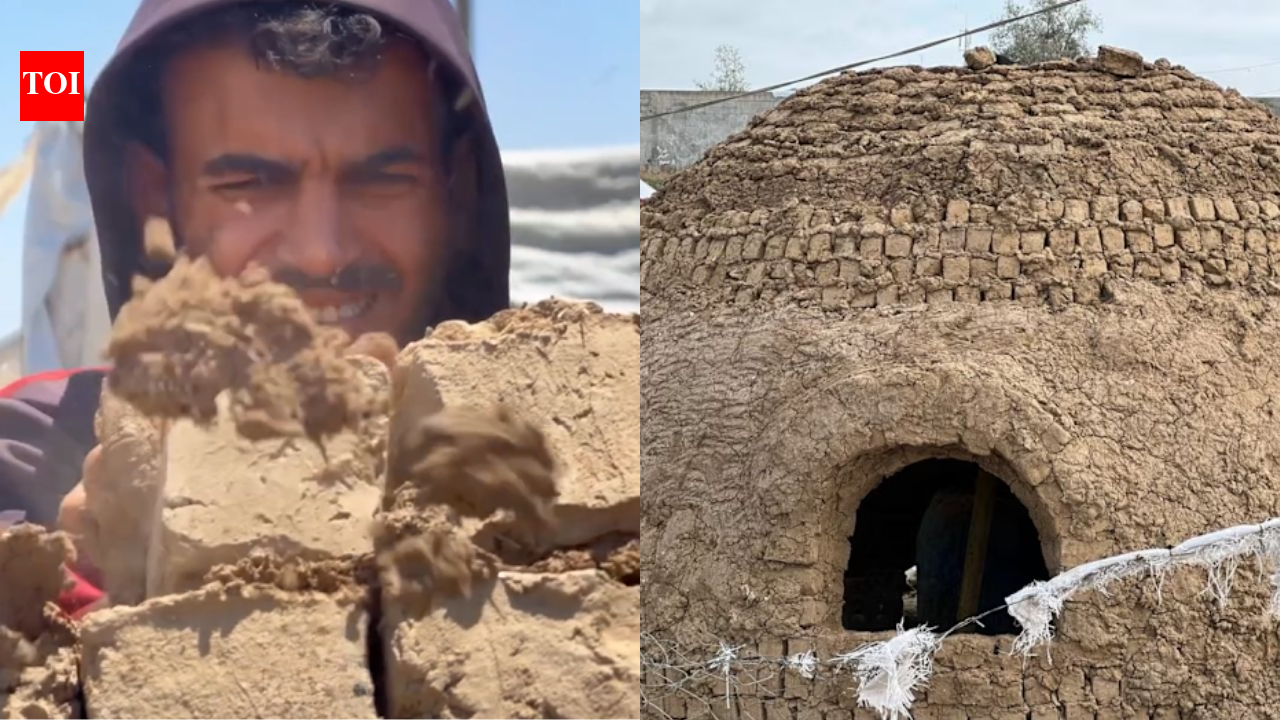
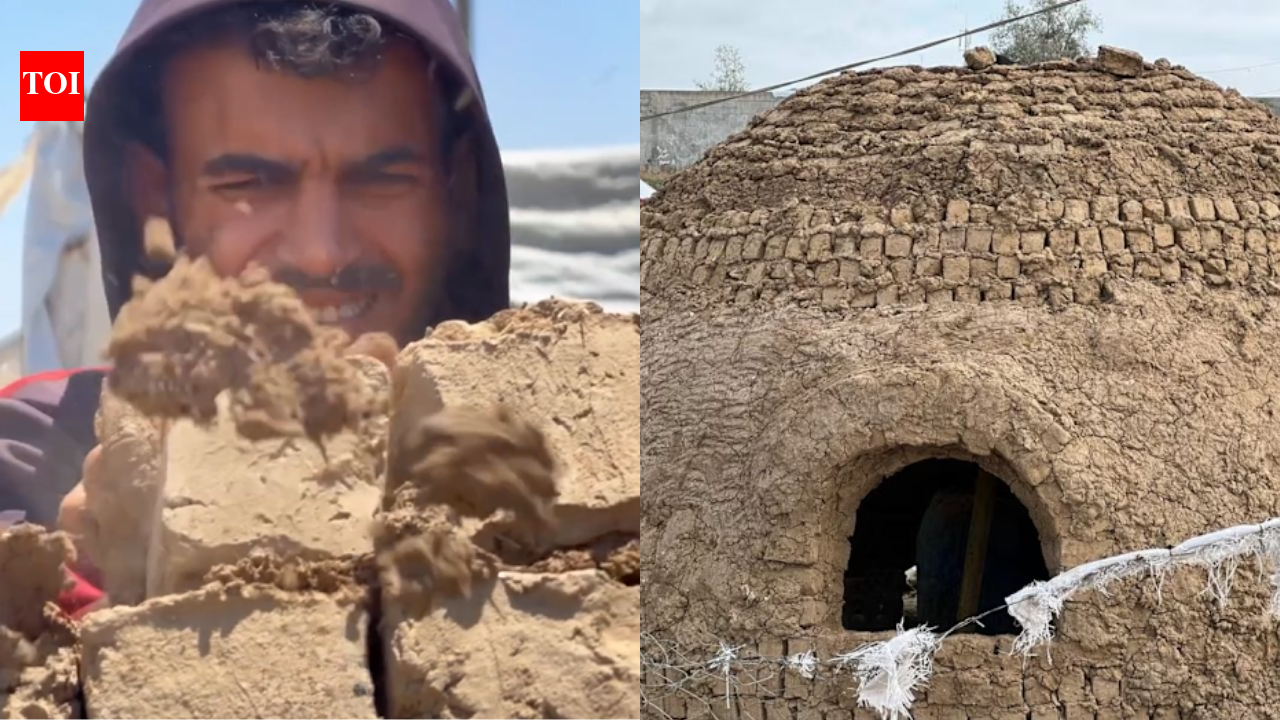
After two years in a tent, a Palestinian potter in northern Gaza has turned the ground beneath him into a home — building a dome-shaped clay dwelling for his parents from mud bricks, ash and powdered glass.
Jaafar Atallah, who made his living crafting bowls and vases from local clay, lost both the family house and its pottery workshop in the war. Rather than wait for cement and steel that remain largely unavailable, he gathered about 15 relatives and neighbours, including his father — also a potter — and began experimenting with the material he knew best.
The team tested a series of mixtures before settling on a recipe of clay, water, ash and powdered glass, then developed a waterproof glaze to protect the bricks from rain. The finished dome, which the builders say is strong enough for a person to stand on, draws its shape from the bread ovens the family had made for generations — this time scaled up to human size.
The difference from tent life is practical as well as symbolic. Atallah told the Financial Times that food can be stored inside the clay structure, whereas produce spoils quickly in the summer heat of a tent. He described the heat inside tents as “torture.”

The project reflects a housing crisis that has left few alternatives. The United Nations estimates about 1.9 million people in Gaza are displaced or living in tents, many without adequate sanitation, water or protection from heat, cold and flooding. Israel has restricted the entry of construction materials, designating cement and steel as “dual-use” items over concerns they could be diverted by Hamas for military purposes, including tunnel construction. The restrictions are central to the wider dispute over reconstruction.
With conventional supplies scarce, Gazans have improvised. Some salvage stones and concrete fragments from destroyed buildings; others reuse steel reinforcement bars or mix mud-based mortar. Iyad Abu Hamam, the Norwegian Refugee Council’s Gaza shelter coordinator, warned that recycled concrete does not reach the strength required for many building applications, limiting its use for roofs and structures that must meet safety standards.

Atallah is not alone in experimenting. Teenage sisters Tala and Farah Moussa, displaced repeatedly after their own home was bombed, developed bricks from crushed concrete debris, mud, ash and powdered glass. After five or six prototypes they produced a mix suitable for pavements and partitions, and in May 2026 won a $12,500 youth innovation award from the Swiss-based Earth Foundation to run workshops teaching the technique.
After Atallah posted videos of his build online, pottery groups abroad offered support, and social media personality Khalil Abu Ramadan documented the construction to spread the idea. Atallah has since begun a second clay home for himself and his wife.
Such efforts offer relief, but not a substitute for reconstruction. Building with local materials still carries labour and costs in Gaza’s wartime economy, and a dome’s apparent strength does not establish that it can withstand every structural or weather-related risk. Lasting recovery, officials and aid groups say, will require safe access to construction materials, infrastructure, technical expertise and resources on a scale no improvised shelter can match.
For now, the clay that once supplied the family’s livelihood is keeping his parents under a roof of their own.
Want a shorter version, a different headline set, or a version tailored to a specific outlet’s style?
About The Author

Related Stories
-
 Bomb threat forces Israel to Austria flight into emergency landing
-
After losing their home in Gaza, a Palestinian potter turned clay into dome-shaped shelter for his parents as shortages of cement and steel stall reconstruction
-
Michigan to Bar Untreated Firewood From Entering the State Starting January 2027
-
On Christmas Eve 2018, cracks forced residents from Sydney’s Opal Tower; after nearly eight years of repairs, relocations, a class action and two legal cases, the complex has been declared defect-free
-
US Green Card Suspension: What It Means for Indian Techies at TCS, Infosys, Microsoft and Others