How COVID-19 Started in India: Early Data, Timeline & What We Learned
🌍 Latest COVID-19 Global Data 2026 (Worldometer) + Death Reasons Explained
📊 Global COVID-19 Situation (Latest Consolidated Data)


The COVID-19 pandemic remains one of the most significant global crises in modern history. According to Worldometer, the latest consolidated global data shows:
- Total Cases: 704,753,890
- Total Deaths: 7,010,681
- Total Recovered: 675,619,811
- Countries Affected: 229 (Worldometer)
👉 Important nuance:
Global real-time reporting largely stopped after 2024 because many countries reduced or ended daily reporting, making precise totals harder to maintain. (Worldometer)
🔬 Understanding the True Scale (Beyond Official Numbers)
Here’s the part most people miss:
- Official deaths ≠ real deaths
- Many countries underreported cases
- Limited testing distorted numbers
According to World Health Organization, reporting differences, delays, and testing gaps mean actual numbers may be higher than reported. (datadot)
👉 Some estimates suggest millions of excess deaths beyond official counts.
🧠 Why Did COVID-19 Cause So Many Deaths?
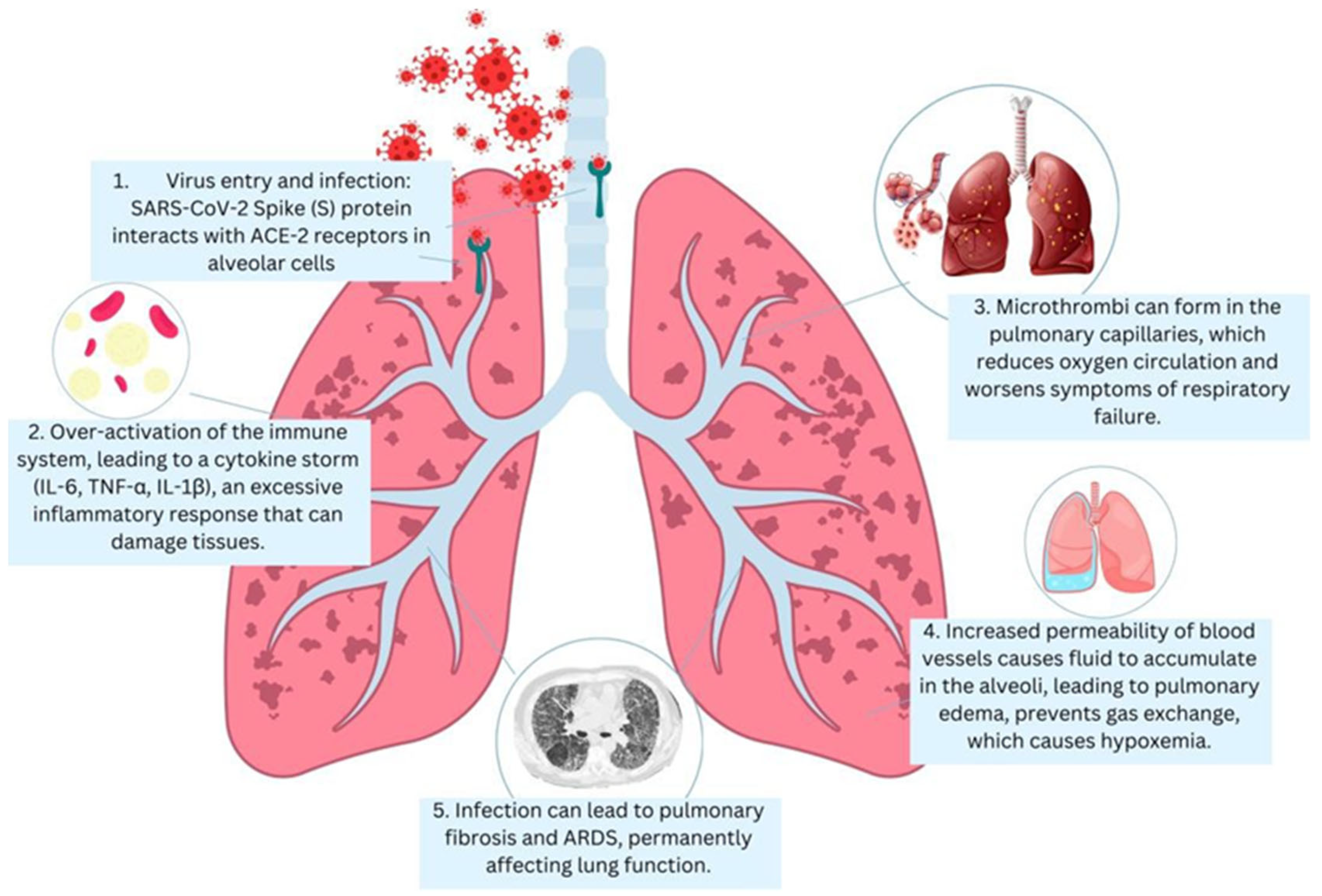
🫁 1. Lung Failure – The Primary Killer

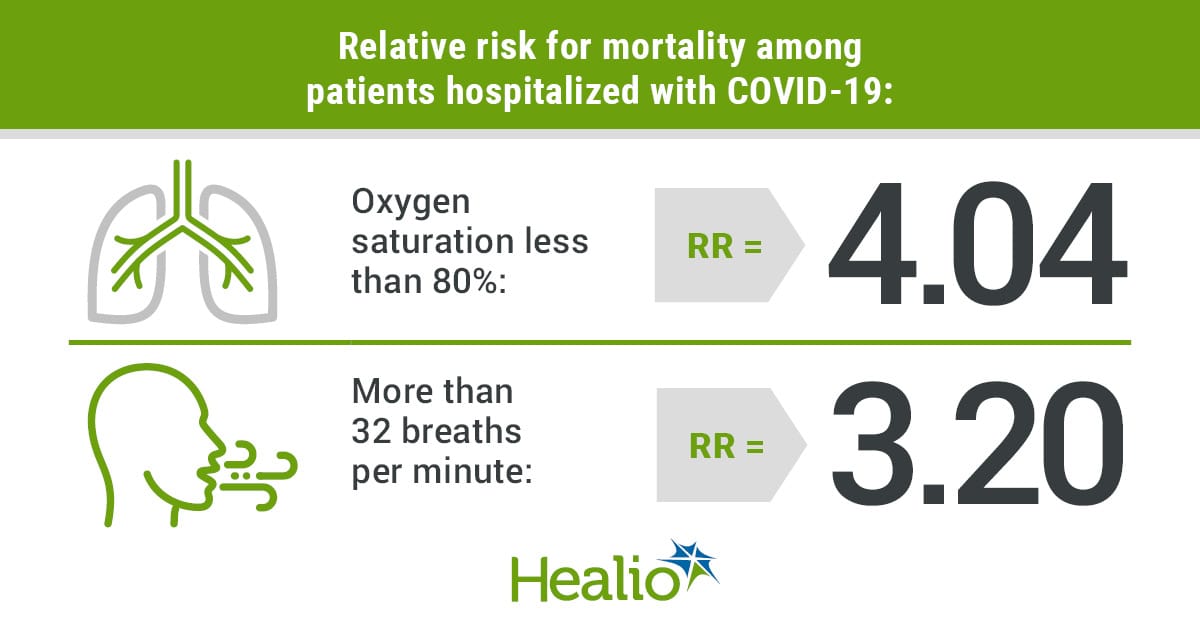
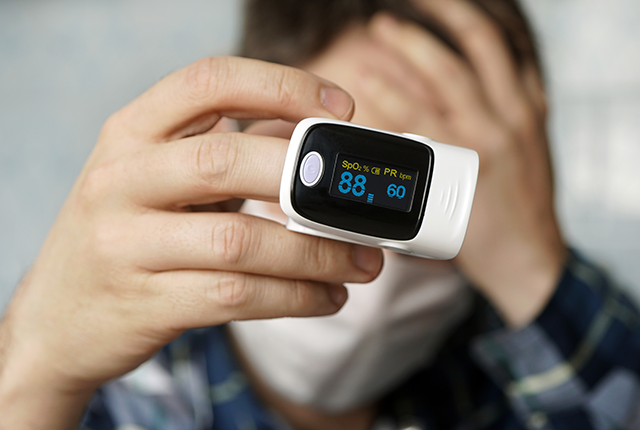
COVID-19 was not just a flu—it directly attacked the lungs:
- Severe pneumonia
- Oxygen deprivation
- Acute respiratory distress
In critical cases, even ventilators couldn’t sustain life.
👴 2. Age & Immune System Collapse
The virus disproportionately affected:
- Elderly populations (60+)
- Immunocompromised individuals
👉 Aging immune systems respond slower, giving the virus time to spread aggressively.
❤️ 3. Pre-Existing Diseases (Hidden Multiplier)
People with these conditions faced much higher mortality:
- Diabetes
- Heart disease
- Hypertension
- Obesity
👉 COVID didn’t always kill directly—it triggered fatal complications.
🏥 4. Healthcare System Breakdown

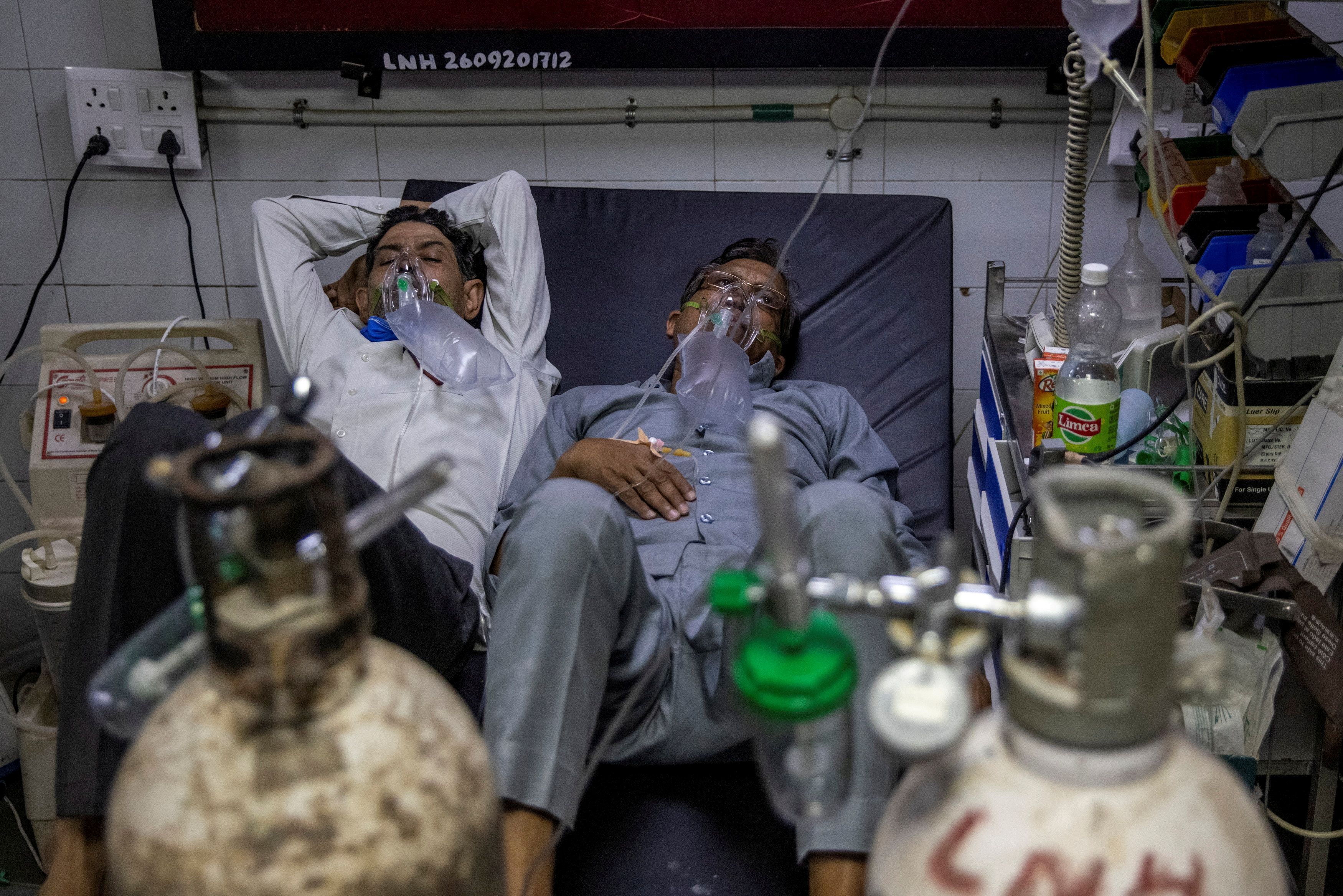


During peak waves:
- ICU beds ran out
- Oxygen shortages occurred
- Doctors were overwhelmed
👉 Many deaths were preventable—but lack of access killed patients.
⏱️ 5. Late Detection & Reporting Delays
- Symptoms ignored early
- Testing delays
- Reporting gaps
According to global datasets, delays in reporting and classification made outcomes worse. (Our World in Data)
🧬 6. Multi-Organ Failure (Advanced Stage Insight)
COVID-19 wasn’t just respiratory—it affected:
- Heart (cardiac arrest)
- Kidneys (renal failure)
- Blood (clotting disorders)
👉 This systemic impact is what made it far more deadly than typical viruses.
📊 Data Sources & References
🔗 External Insight (Authority Link)
For deeper insights into global crises and financial impact, explore our detailed guides on global economy impact and health system failures.
👉 Read more on The Top Story 365 (Global Impact & Legal Insights)
(You can replace this with your exact Smartvick article URL for SEO juice)
👉 Also read on our website:
- [COVID-19 India Data & Trends] (add your internal link)
- [Pandemic Economic Impact Guide] (add your internal link)
- [Health System Failure Case Study] (add your internal link)
📉 Economic & Social Impact (Often Ignored)
COVID-19 didn’t just affect health:
- Global economies slowed down
- Millions lost jobs
- Supply chains collapsed
👉 The pandemic exposed a harsh truth:
Most systems were not built for resilience.
💡 Final Insight (Polymath Perspective)
COVID-19 was not just a health crisis—it was a systems failure test:
- Healthcare systems failed
- Data systems failed
- Governments struggled
- Societies were unprepared
👉 The real lesson:
“The next global crisis won’t be prevented by medicine alone—it will require coordination, infrastructure, and foresight.”
📌 Conclusion
The numbers tell one story—but the deeper reality is more complex.
- Millions died due to direct infection
- Millions more due to indirect failures
- And the true toll may never be fully
About The Author

Related Stories
-
 Yograj Singh: The Shocking Untold Story Behind Yuvraj’s Rise
 -
Omar Abdullah Accuses BJP of Offering ₹30 Crore, Ministerial Post to Topple J&K Government
-
7 Shocking Reasons Cockroach Janta Party Went Viral in India
-
NEET Admit Card 2026 Download – Direct Link, Release Date, Steps & Important Instructions
-
 CBSE Class 12 Result 2026 OUT Soon: Check Date, Direct Link, Marksheet & Full Details