Anne Hathaway: Hollywood’s Unstoppable Comeback Queen Is Having the Year of Her Life
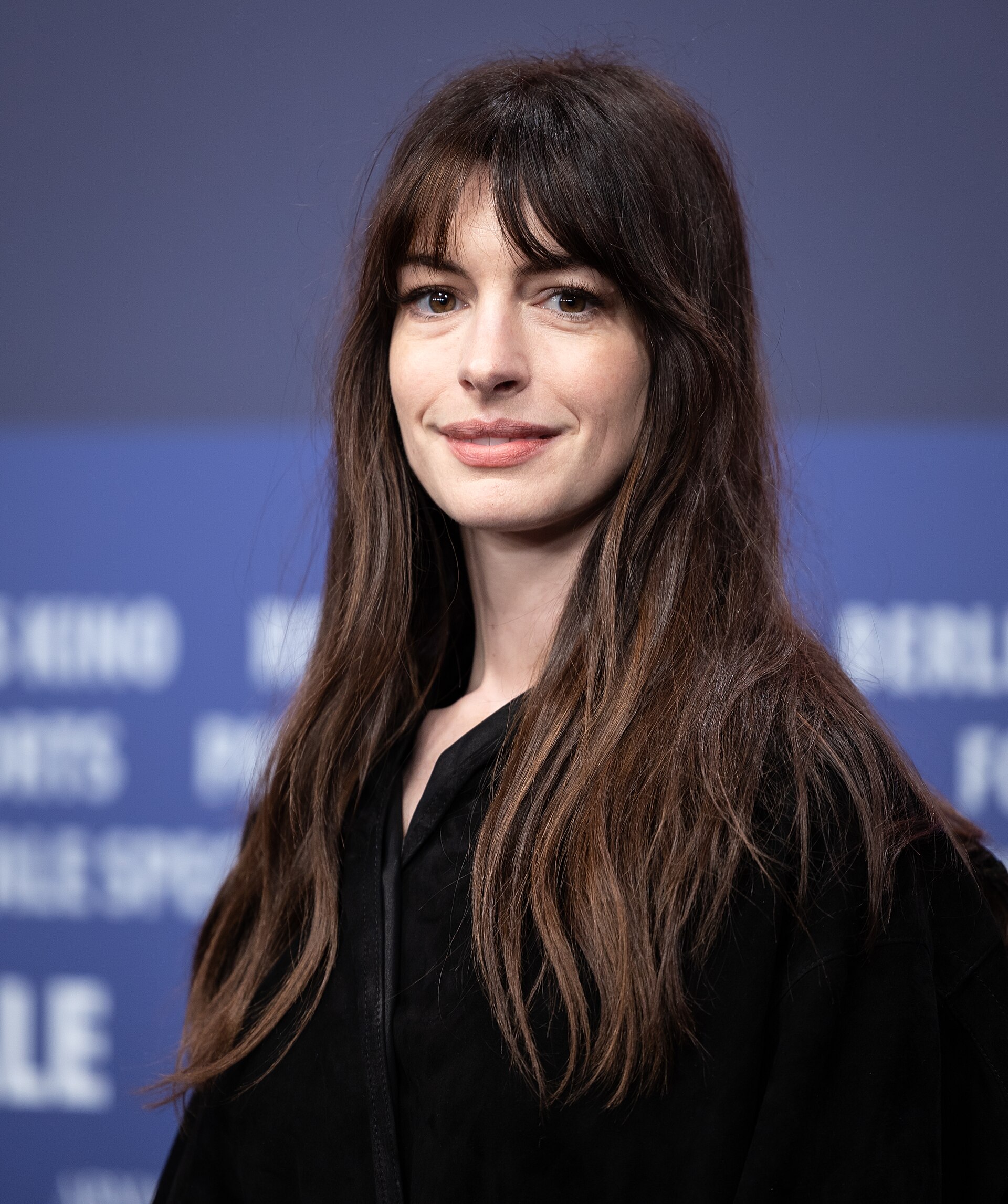
There’s a particular kind of Hollywood comeback — the quiet, respectful kind, where an actor disappears for a while and returns with one well-reviewed indie. Then there’s the Anne Hathaway comeback: five films in a single calendar year, three genres apiece, a reunification with the biggest director on earth, a surprise pregnancy announced on late-night television, and a red-carpet run that has effectively turned her into a fashion event.
If 2026 belongs to anyone, it belongs to her.
Anne Jacqueline Hathaway was born in Brooklyn, New York, on 12 November 1982, and grew up in New Jersey, where she trained at the Paper Mill Playhouse and dreamed in musicals. As a teenager she was the first performer ever admitted to the acting program at the Barrow Group in New York — an early sign of the ambition that would define her career.
Television came first: the short-lived family drama Get Real (1999–2000) gave her a foothold. But it was 2001’s The Princess Diaries, in which she played awkward teenager Mia Thermopolis transformed into royalty, that made her a household name almost overnight. Suddenly, every studio wanted the girl with the wide eyes and the bigger smile.
Hathaway could have coasted on princess roles forever. Instead, she chose sharper material — and then delivered the performance that put her in permanent pop-culture memory: Andy Sachs, the junior assistant eaten alive by Meryl Streep’s Miranda Priestly in The Devil Wears Prada (2006). The film was a box-office smash, a costume-drama touchstone, and the role that proved Hathaway could hold the frame opposite one of the greatest living actresses without blinking.
What followed was a deliberate broadening: Jane Austen biopic Becoming Jane (2007), spy comedy Get Smart (2008), and, crucially, Jonathan Demme’s Rachel Getting Married (2008), in which she played a recovering addict home for her sister’s wedding. The performance earned her first Oscar nomination and announced a completely different actress from the one audiences thought they knew.
Few actors have ever had a year like 2012. Hathaway played Selena Kyle — Catwoman — in Christopher Nolan’s The Dark Knight Rises, delivering a slinky, funny, physically committed turn that many fans still consider the definitive screen version of the character. Months later, she sang live on camera as Fantine in Tom Hooper’s Les Misérables, shaving her head for a scene of shattering intimacy.
The awards season that followed was a sweep: Golden Globe, BAFTA, SAG, and the Academy Award for Best Supporting Actress. At 30, she had the industry’s highest honour — and, as she’d later admit with characteristic honesty, an entire award season of overzealous fandom to thank for a wave of backlash that would follow her for years.
No profile of Anne Hathaway is honest without the dip. Between roughly 2018 and 2021, she took several poorly received projects — Serenity, The Hustle, The Last Thing He Wanted — that even landed her Razzie nominations. Online, a strange consensus formed: that she was try-hard, that she was “too much.”
Hathaway took it on the chin. She joked about it, slowed down, and quietly rebuilt on her own terms — Eileen (2023), the warm-hearted The Idea of You (2024), and the Apple series WeCrashed, all of which reminded critics what she could do when the material was right. The lesson she took from the tumble is the one every lasting star eventually learns: the internet’s mood is not a career plan.
This year, she has released what amounts to a greatest-hits tour of genres:
- Mother Mary — a David Lowery religious epic
- The Devil Wears Prada 2 — yes, she’s Andy Sachs again, opposite Streep
- The Odyssey — Christopher Nolan’s Homer adaptation, with Hathaway as Penelope opposite Tom Holland’s Telemachus; her third collaboration with the director after The Dark Knight Rises and Interstellar
- The End of Oak Street — a suburban dinosaur-survival romp from It Follows director David Robert Mitchell
- Verity — the Colleen Hoover psychological thriller, released 2 October, opposite Dakota Johnson and Josh Hartnett
Five films, five genres. “Five films. Five genres. One very busy year,” as Vogue put it at the Verity premiere in New York. She’s also been named a Disney Legend — an honour she received in 2026 — and has an adaptation of the bestselling satirical novel Yesteryear already in development.
And then there’s the personal news. In July, appearing on Late Night with Seth Meyers, Hathaway revealed she and husband Adam Shulman are expecting their third child at 43 — joking that they’re calling this one their “buzzer-beater.” She later told Jimmy Fallon she’d discovered the pregnancy just before the Devil Wears Prada 2 press tour began, which explains the crimson-carpet balancing act she pulled at the Verity premiere.
Away from cameras, Hathaway has spent years as a UN Women advocate for gender equality, and has been vocal on abortion rights, gun control, immigration and LGBTQ+ rights. She’s also, increasingly, a producer with a hand in what gets made — the smartest long-game any actress of her generation can play.
Plenty of child-and-teen stars flame out. Plenty of Oscar winners pick the wrong projects afterward. Very few survive both a cultural backlash and a shift in audience taste — let alone emerge from it busier than ever.
The secret isn’t really a secret. Hathaway works hard, chooses boldly, laughs at herself, and refuses to be embarrassed by enthusiasm. In an industry that now rewards irony above all, she remains gloriously, unapologetically earnest — and in 2026, the audience has decided it missed that.
With Verity in cinemas, a Nolan epic on screens, a Prada sequel in the bag, another adaptation on the way and a baby due, Anne Hathaway isn’t just back.
She’s never been bigger.
— Staff Writer, scooppunjab.com
Anne Hathaway in pictures
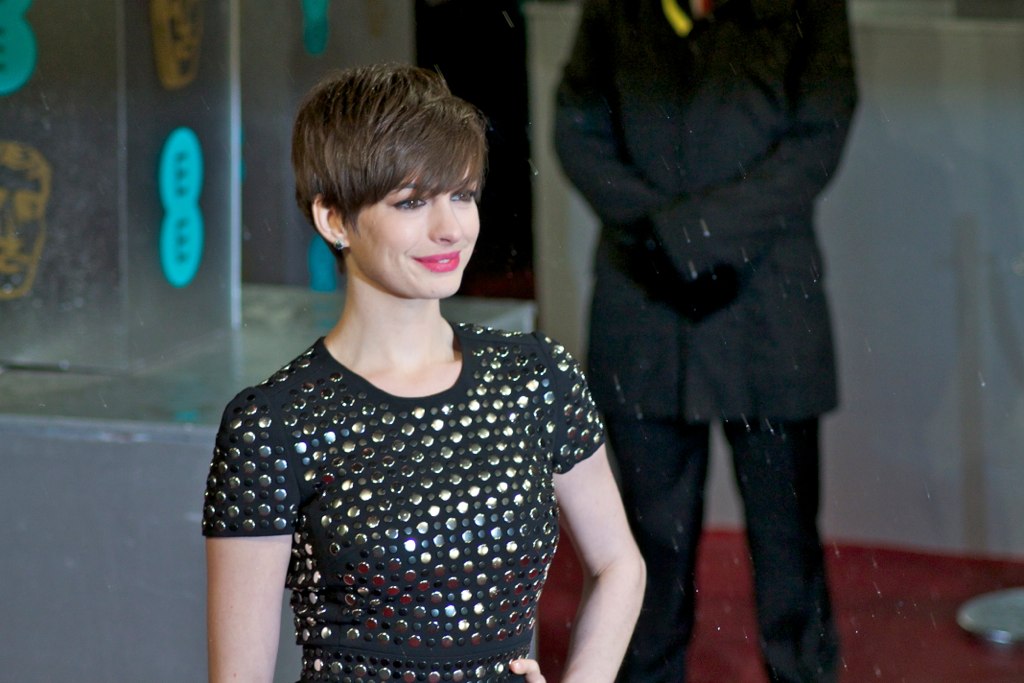
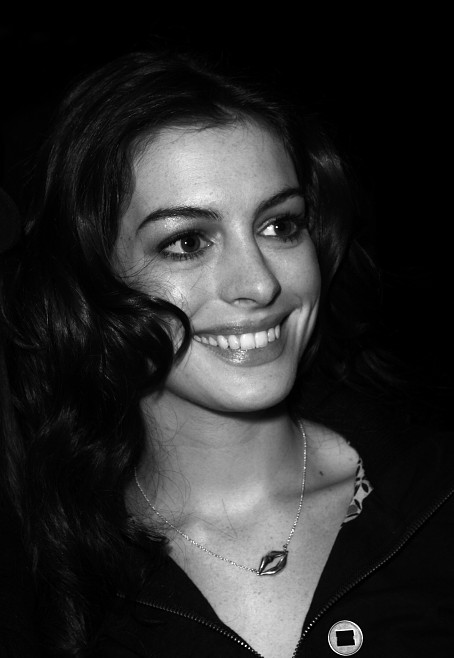
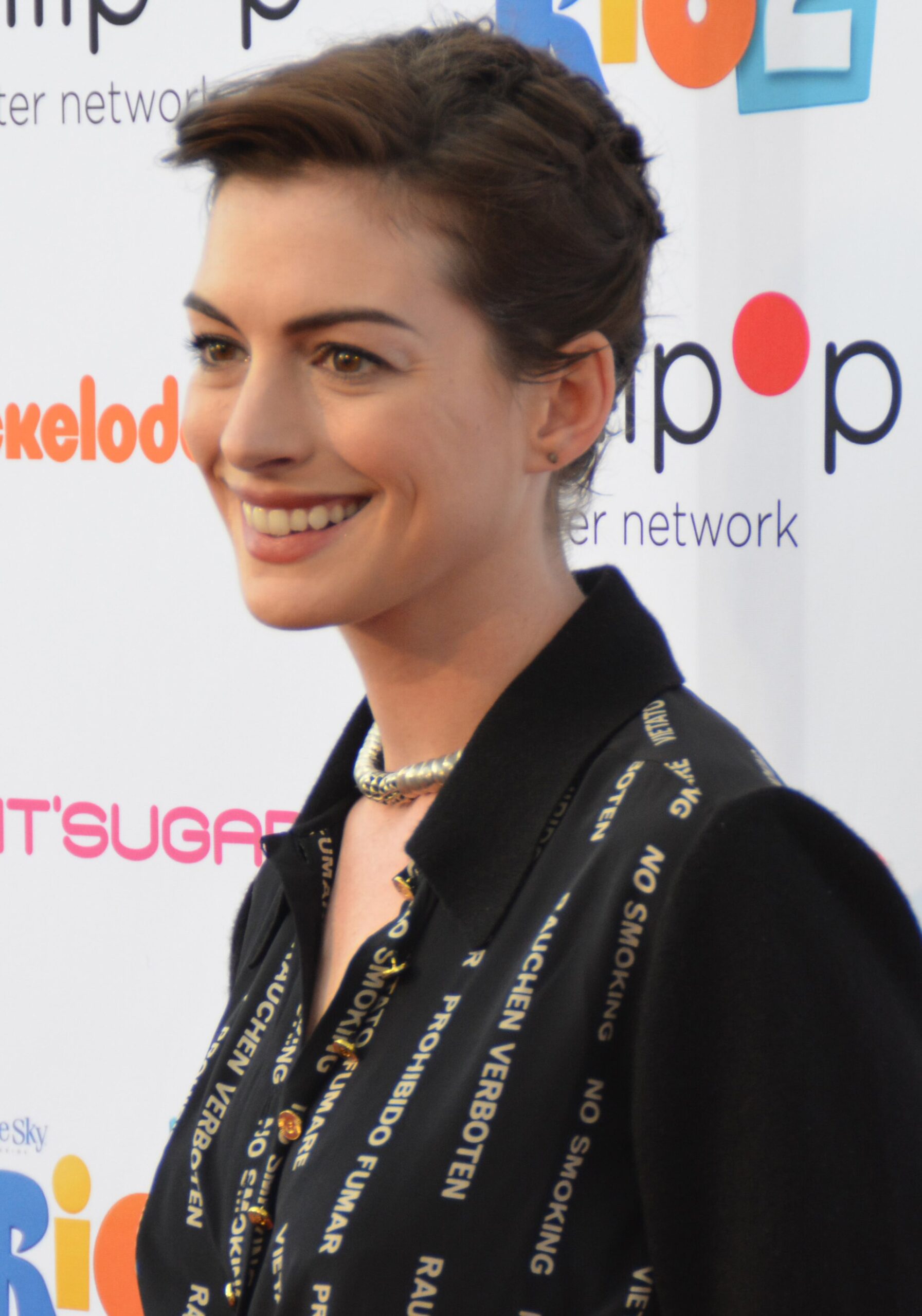
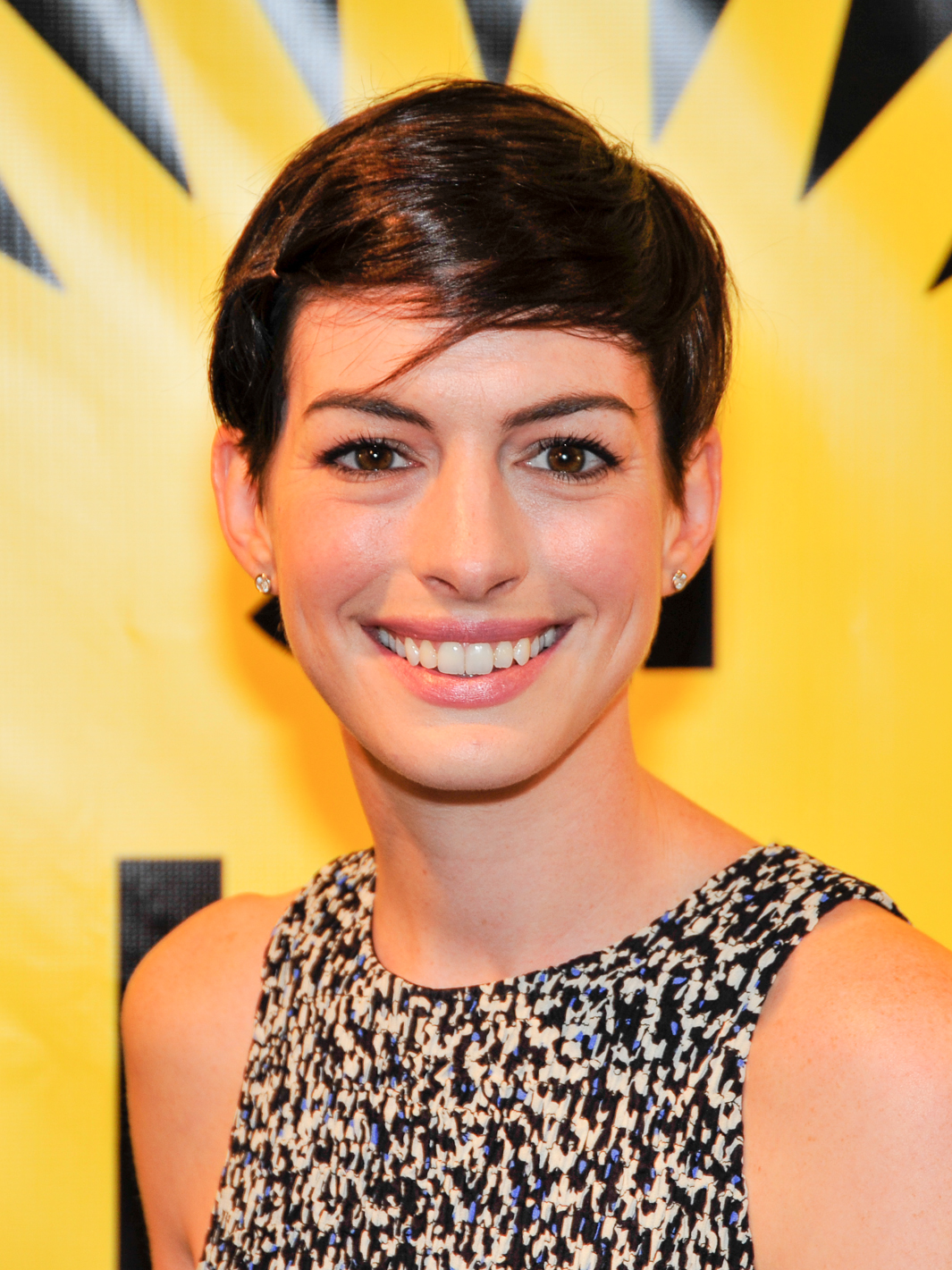
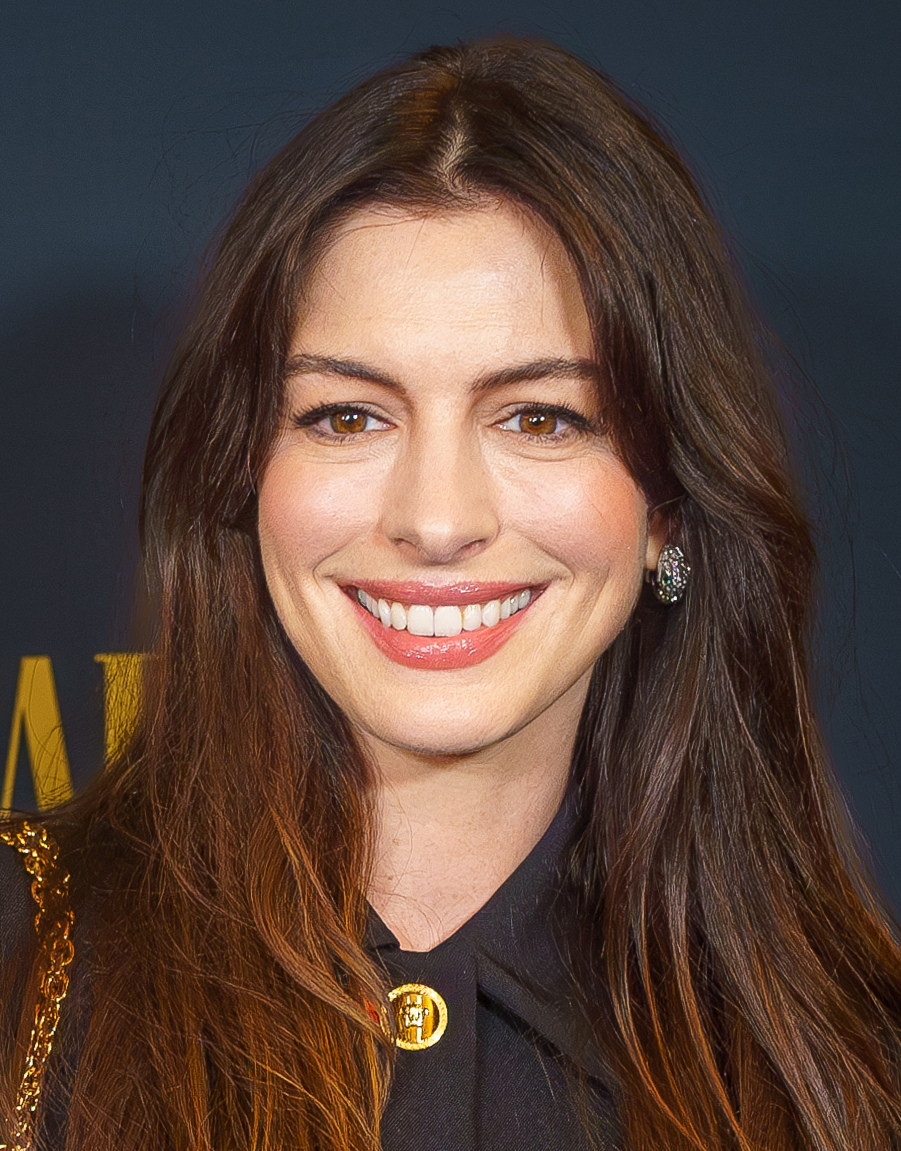

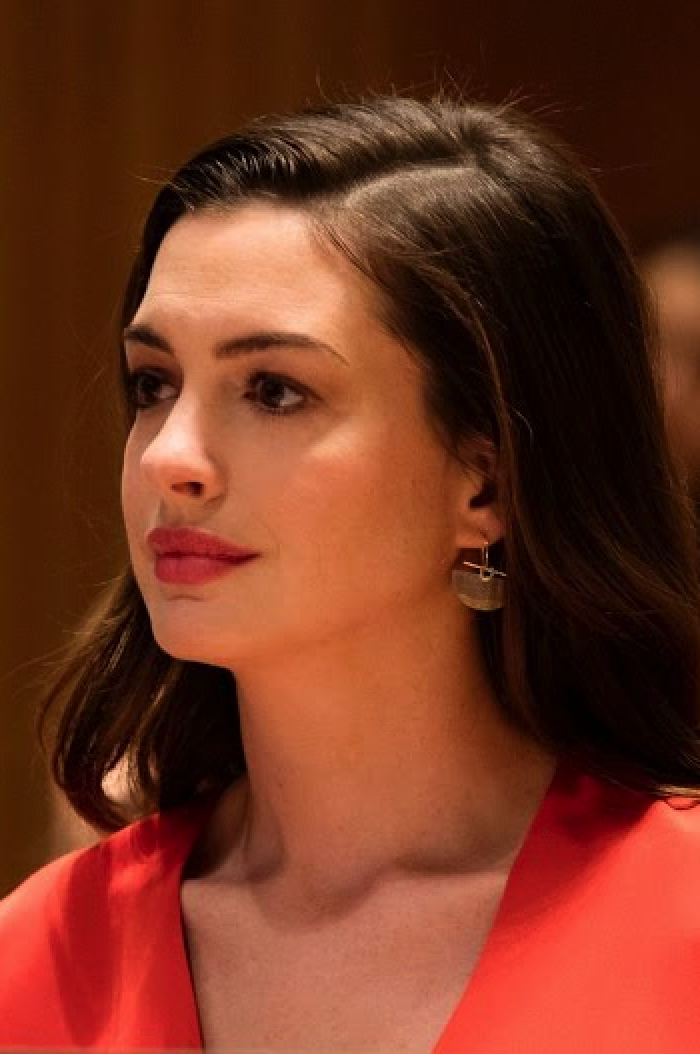
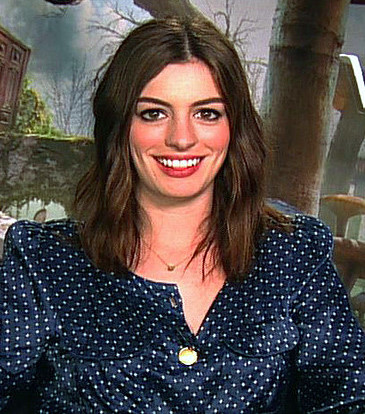
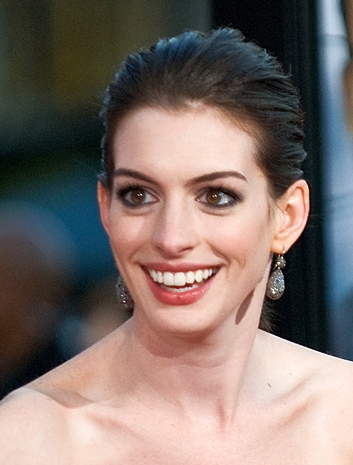
Gallery photos via Wikimedia Commons (CC BY 2.0, CC BY 3.0, CC BY-SA 2.0, CC BY-SA 4.0).
About The Author

Related Stories
-
 Qazi Touqeer: The Kashmiri Singer-Actor Who Made History with Fame Gurukul
-
 Mahhi Vij: Complete Biography, Career Journey and Personal Life of the Indian Actress
- Rhiya Ahir: The Mumbai Actress Who Stood Against a Police Van — Viral Story, Bigg Boss 20 Journey and Biography of the Indian Actress
-
 Uorfi Javed: The Bold, Daring Journey of Bollywood’s Fastest-Rising Star – Biography, Career & Net Worth
-
 Tiger Shroff Firing Incident: Mother Ayesha Shroff REACTS, says ‘God is great’